161 visitsWhen purchasing wall-mounted, in-ground or adjustable basketball hoops, one of the most frequent decisions buyers face is choosing between a 54-inch and **60-inch backboard.
The width of the backboard directly affects shooting experience, bank shot practice, required installation space and overall cost. Neither option is universally better. Your venue space, player skill level and intended use will decide which size fits you best. Below we break down all differences clearly.
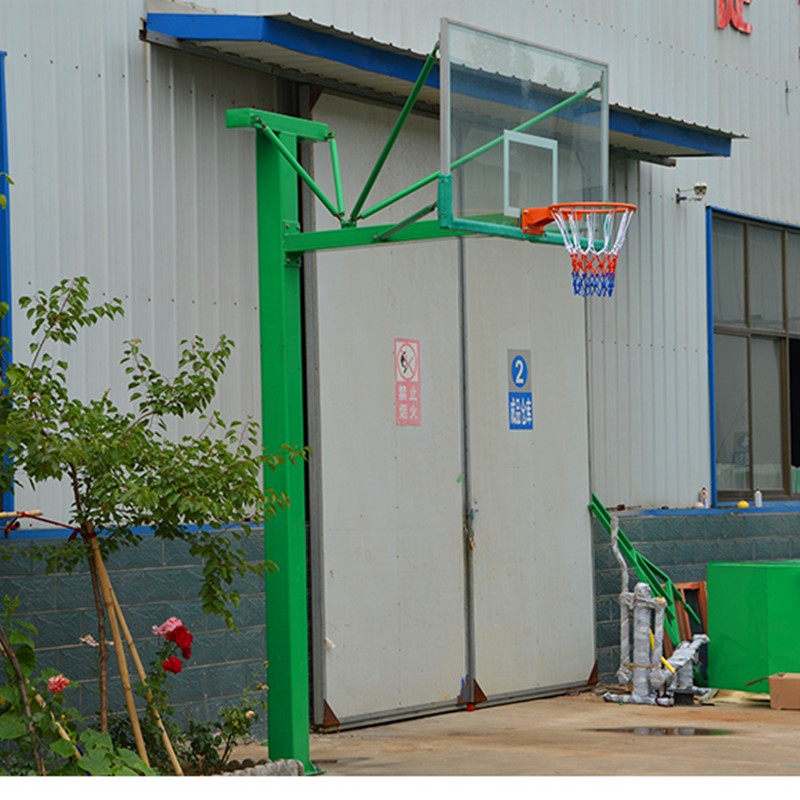
Core Differences Between 54-inch and 60-inch Backboards
1. Playing Experience
60-inch Backboard
The extra 6 inches of width delivers larger surface area around the rim.
More forgiving for bank shots from baseline and wing positions
Rebound patterns closely mimic high school and collegiate court equipment
Ideal for serious players who practice game-style shooting regularly
More surface to catch off-target shots, reducing missed rebounds
54-inch Backboard
Compact size offers limited space around the shooter’s square.
Bank shot angles are tighter; small errors result in missed shots
Better for casual fun and beginner training, but not identical to official competition courts
2. Space Requirement
60-inch hoop needs wider clearance
You need extra horizontal space on both sides of the backboard during installation. It is not recommended for narrow driveways, small home yards or cramped indoor gyms.
54-inch hoop is space-saving
Works perfectly for limited-width venues, narrow wall installation areas and small private courts. It requires less horizontal clearance and avoids collision risks.
3. Application Scenarios
Choose a 60-inch Basketball Hoop if:
You build courts for schools, training centers and competitive youth leagues
Players are teenagers, high school athletes or serious recreational competitors
You have enough horizontal space for installation
You want gameplay close to official standard facilities
You plan bulk procurement for commercial sports venues
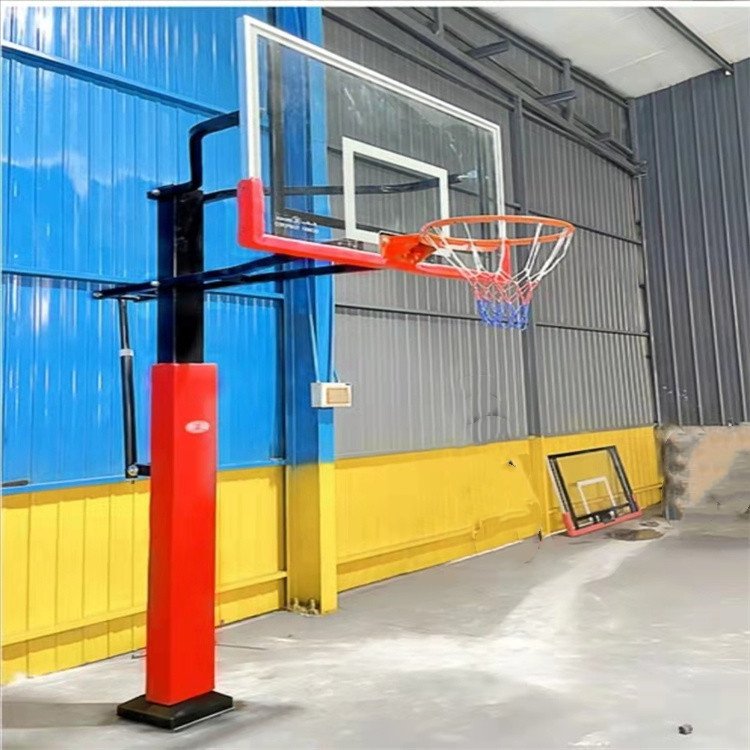
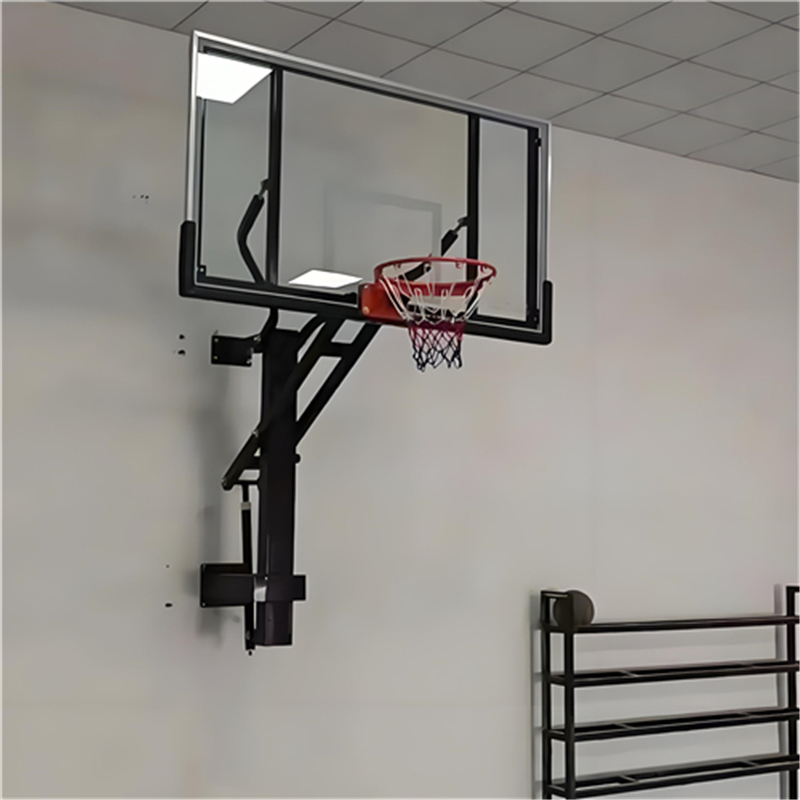
Our HR-A-018 series in-ground basketball hoops and HR-A-029 wall mounted basketball hoops support 60-inch tempered glass backboard configuration for project orders.
Choose a 54-inch Basketball Hoop if:
Space is limited, such as narrow residential driveway or small indoor training room
Main users are children, beginners and casual family players
Priority is compact installation and lower overall budget
The venue is only for casual entertainment rather than competitive training
54-inch backboards are widely matched with HR-A-021 adjustable basketball hoops and HR-A-023 kids basketball hoops for home and kindergarten use.
4. Budget & Structure Notes
60-inch tempered glass backboards are larger, with higher material, transportation and frame support costs. The supporting steel bracket structure also needs reinforced design to carry bigger panels.
If you choose a 60-inch model, confirm the supplier provides upgraded heavy-duty support frames to avoid shaking.
Quick Decision Checklist
Pick 60 Inch
Serious training / competitive play
School, community public court, commercial training center
Sufficient horizontal installation space
Want authentic game rebound and bank shot experience
Pick 54 Inch
Limited installation width
Mainly casual play, kids and beginners
Private small backyard or compact indoor gym
Cost-sensitive residential projects
Frequently Asked Questions
Q1: Is a 60-inch backboard equal to official competition size?
Official FIBA / NBA regulation backboard is 72 inches. The 60-inch model is the most popular mid-size choice for high school training and semi-competitive venues, while 54-inch is mainly recreational.
Q2: Can I upgrade backboard size later after installation?
Normally you cannot simply swap sizes. The support arm and bracket are designed for fixed backboard width. Confirm your size before ordering.
Q3: Do you supply tempered glass backboards in both sizes?
Yes. Cangzhou Haoran Sports provides both 54-inch and 60mm tempered glass backboards for in-ground, wall-mounted and adjustable basketball hoops. We support OEM customization for bulk orders.
Final Conclusion
If space permits and you need facilities for regular training or public commercial use, 60-inch basketball hoop is the better long-term investment.
If you have narrow space, serve casual players or children, 54-inch backboard will be the practical, cost-effective choice.