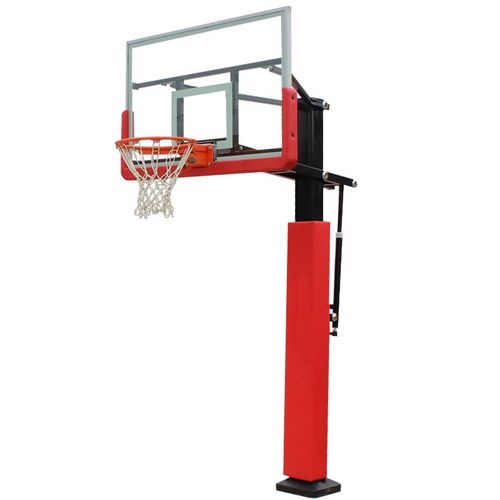
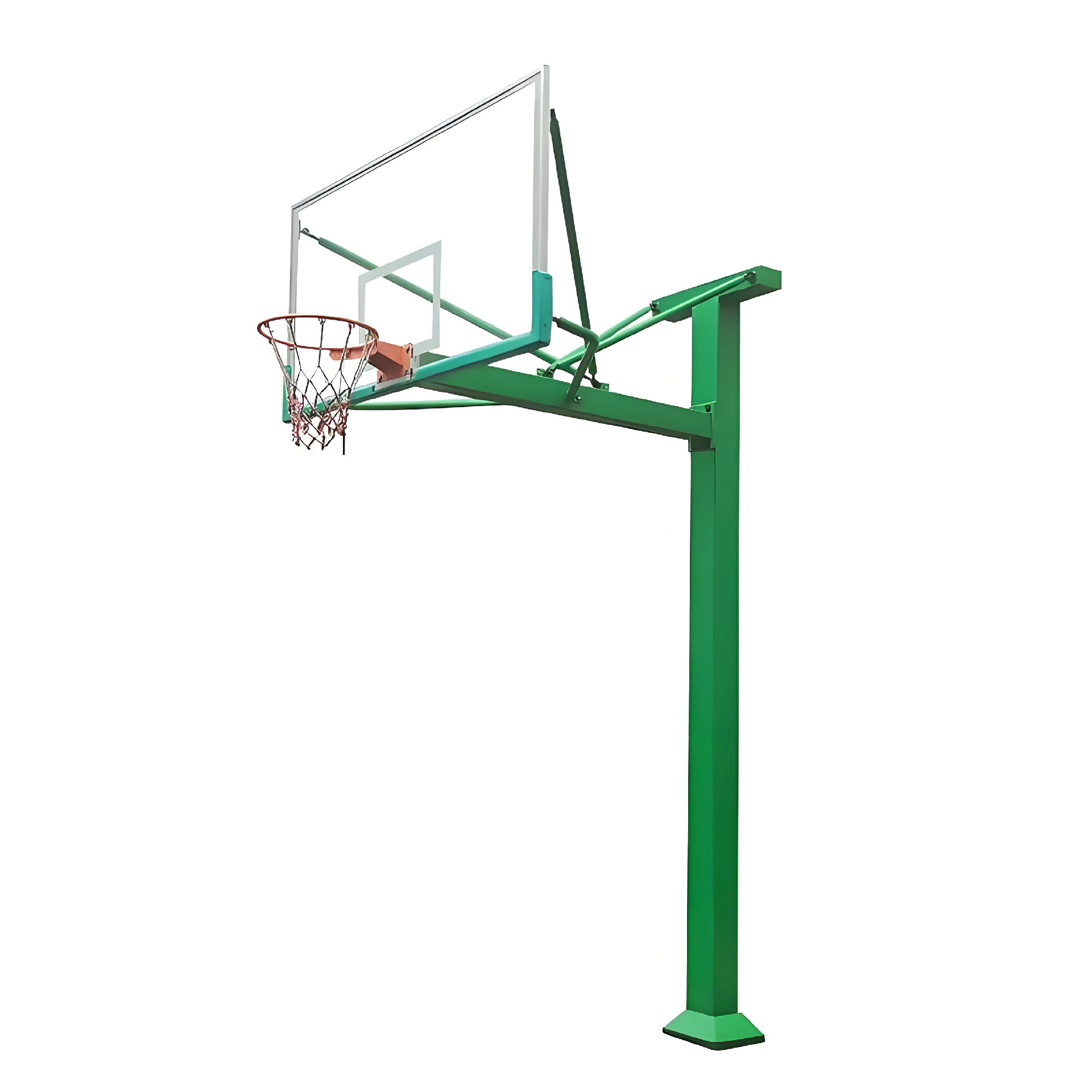
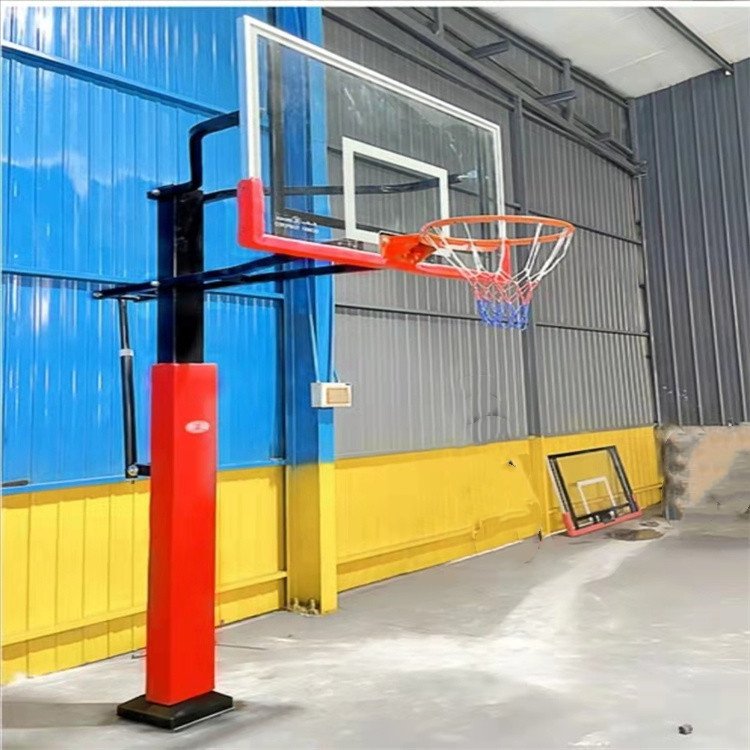
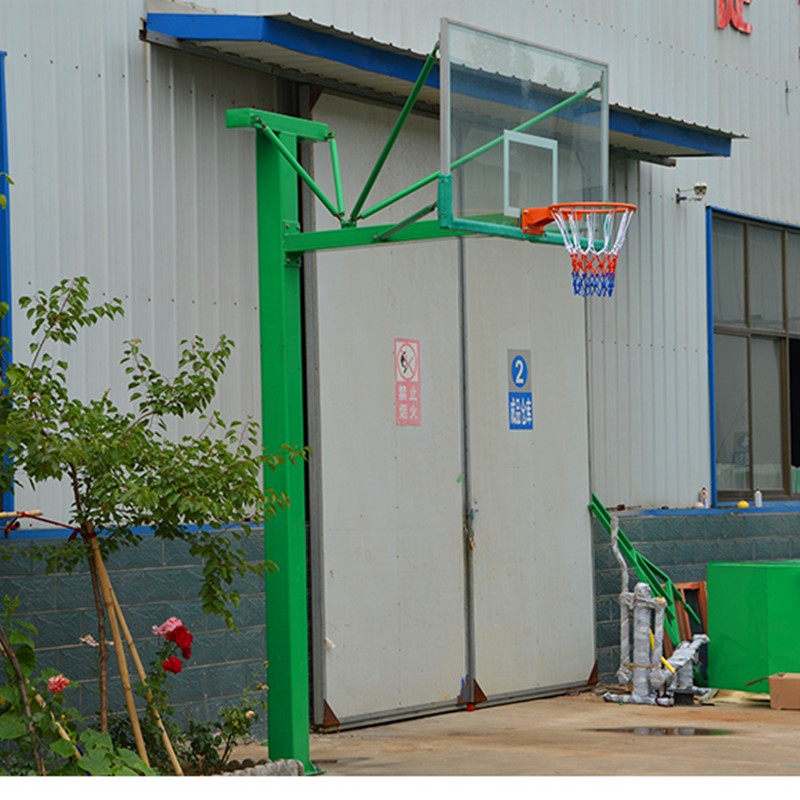
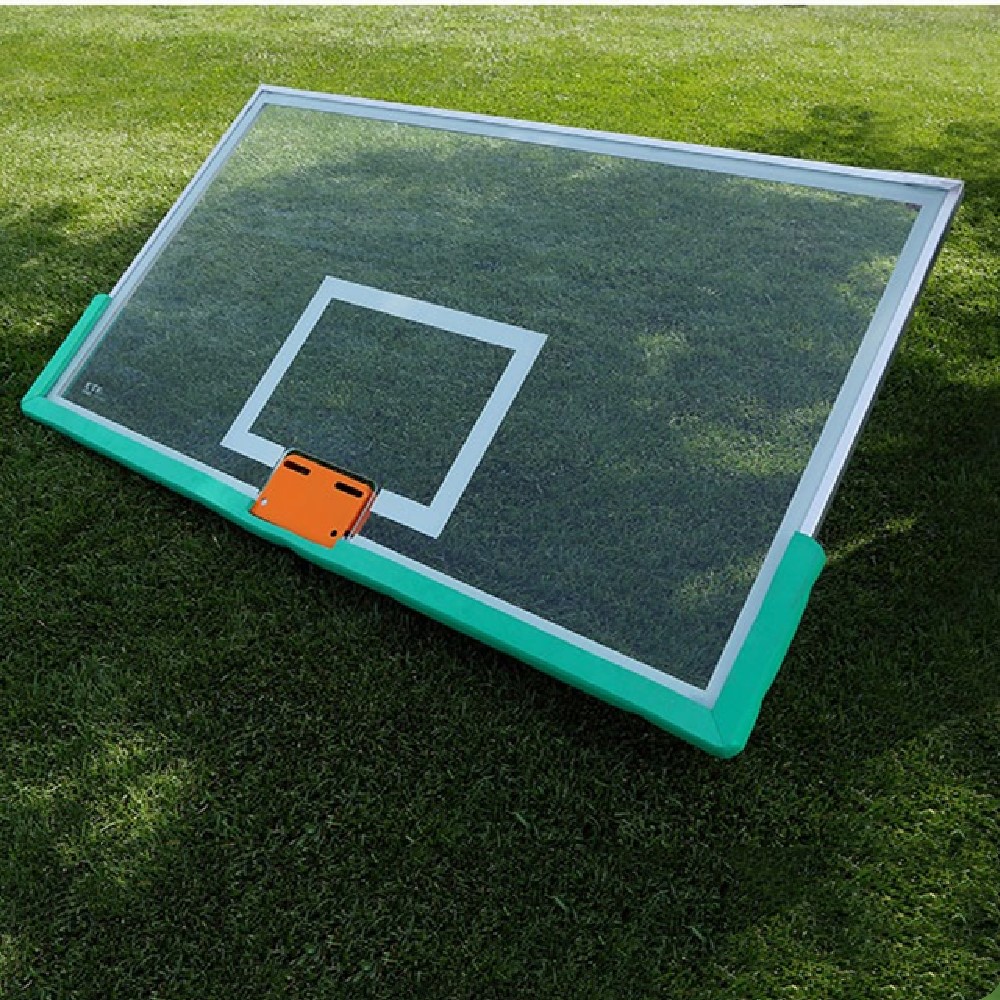
197 visitsThe 5.91-foot (approximately 1.8-meter outrigger) in-ground basketball hoop with square tubing is available in various colors. The parameters and installation points for this type of basketball hoop, manufactured by Cangzhou Haoran Sports Equipment Co., Ltd. in Hebei, China, are as follows:
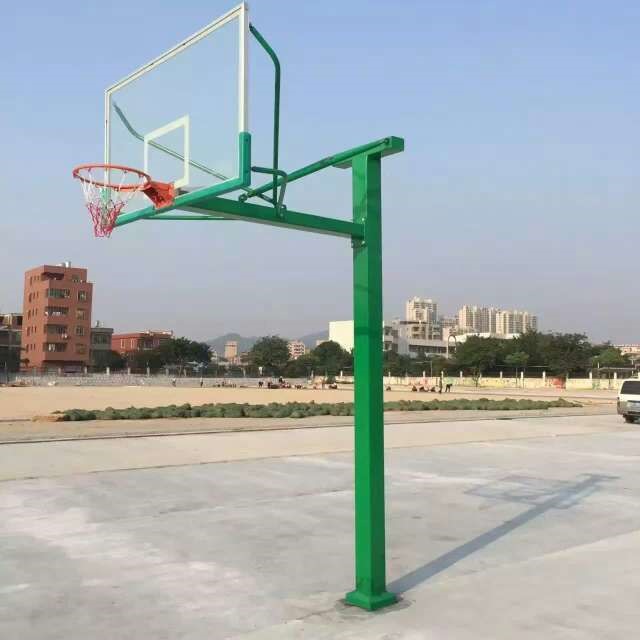
The 5.91-foot (approximately 1.8-meter outrigger) in-ground basketball hoop with square tubing is available in various colors. The parameters and installation points for this type of basketball hoop, manufactured by Cangzhou Haoran Sports Equipment Co., Ltd. in Hebei, China, are as follows:
I. Color Selection
Optional Colors: Basketball hoops are typically green, but other colors (such as blue, black, white, etc.) can be customized according to user needs. For example, Cangzhou Haoran Sports Equipment Co., Ltd. has produced customized blue and black basketball hoops.
II. Core Parameters
Main Pole Material and Specifications
Material: High-quality steel square tubing, 18cm x 18cm in diameter, 3mm thick arm, ensuring structural stability.
Surface Treatment: Electrostatic powder coating process, rust-proof, oxidation-resistant, paint-resistant, and colorfast, suitable for harsh outdoor environments.
Backboard Configuration
Material:
Tempered Glass Backboard: Made of high-strength tempered glass with an aluminum alloy frame, covered with imported American titanium-iron-potassium explosion-proof film, high transparency, strong impact resistance, and good safety performance.
Fiberglass Backboard: Good elasticity and high light transmittance, suitable for daily training. Specifications: International standard size 1800mm × 1050mm, thickness varies depending on the material (tempered glass backboards are typically 10mm).
Basket Configuration:
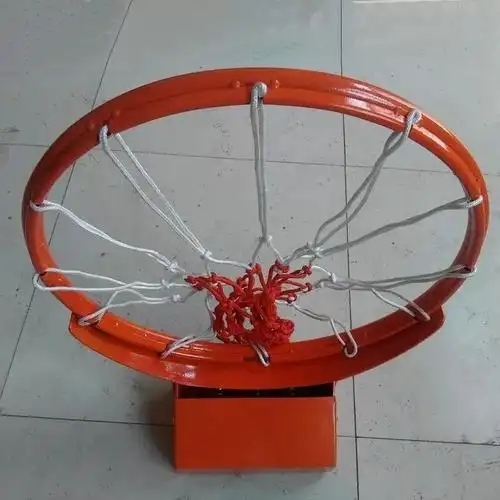
Material: Made of high-quality steel, equipped with a spring system to cushion the impact of shots.
Height: Standard height from the rim to the ground is 3050mm (with a fluctuation of 5cm), conforming to FIBA standards.
Arm Length:
Optional specifications: 1.8 meters or 2.25 meters, selected according to venue requirements.
Applicable Scenarios:
1.8-meter arm: Suitable for spaces with limited space (such as small community squares, narrow school playgrounds).
2.25-meter arm: Suitable for professional training halls, sports academies, and other venues requiring frequent dunking and physical contact.
III. Installation Points
Embedded Part Construction:
Drilling Hole: Dimensions are 70cm (length) × 70cm (width) × 80cm (depth). Adjustments to dimensions are required if the embedded part is large.
Base Treatment: Lay a 10cm thick layer of graded sand and gravel at the bottom of the pit and compact it to provide a stable base.
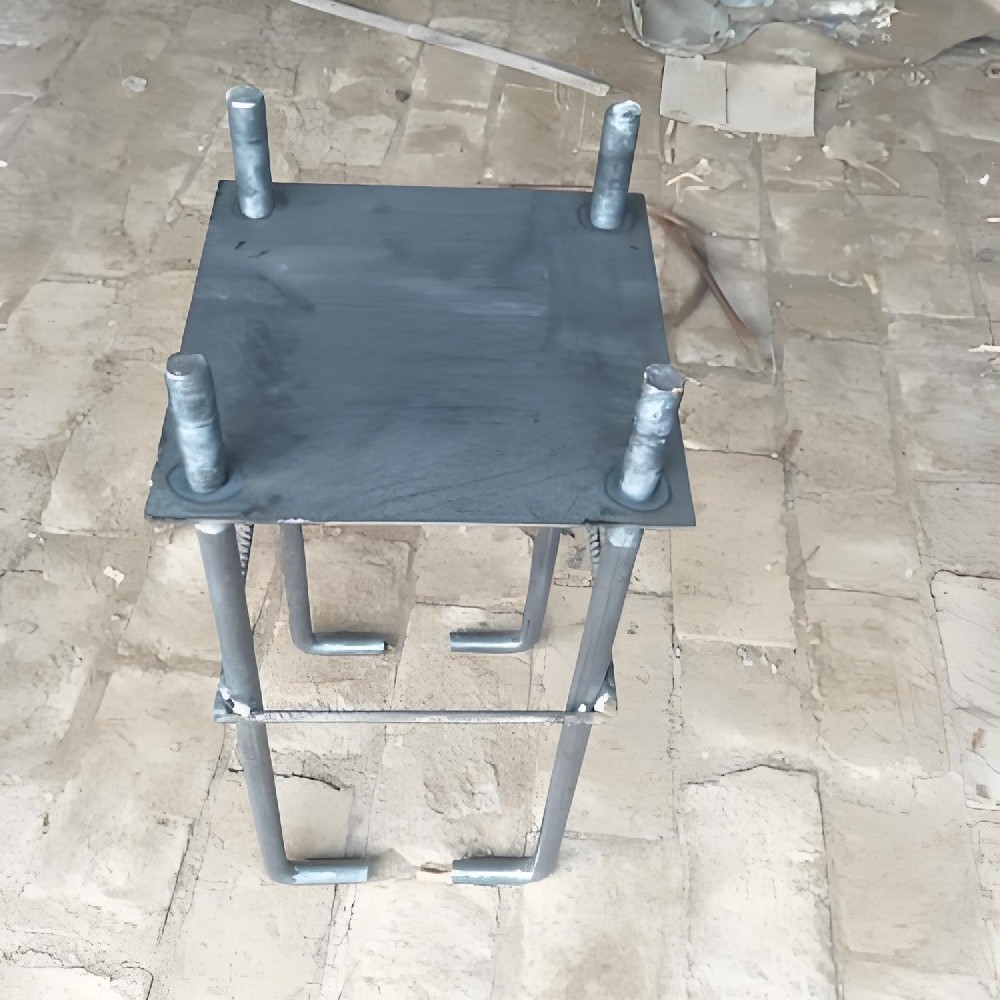
Embedded Part Fixing: Place the embedded parts (such as iron frames) into the pit, adjusting their position so that 2-3cm of the screw posts are exposed for subsequent fixing of the basketball hoop posts.
Concrete Pouring: Pour C25 or higher strength concrete in layers to the design depth, each layer ≤30cm thick. Compact the concrete with a vibrator to avoid voids. After pouring, smooth the surface and cover with plastic film for moisture retention and curing for ≥4 days.
Post Installation:
Verticality Adjustment: Place the post in the pre-embedded pit and adjust its position to be perpendicular to the ground, with the edge of the basketball hoop approximately 60cm from the end line of the basketball court.
Levelness Test: Use a spirit level to test the levelness of the post around its perimeter; the deviation must be ≤5mm.
Temporary Fixing: Secure the post from four directions with ropes or supports (such as steel pipes or wooden sticks) to prevent tilting or swaying.
Backboard and Rim Installation
Backboard Fixing: After the concrete has cured for 4 days, use four M12×60 screws to fix the backboard, basketball hoop, and rim at three points, ensuring all five connection points are on the same plane and the force is evenly distributed.
Rim Alignment: Connect the rim to the top of the crossbeam using bolts passing through the backboard, ensuring the rim is level and secure. Adjust the height to 3050mm and tighten all bolts.
Details: During installation, ensure the extension arm, backboard, and rim are in a straight line, and that the extension arm does not contact the rim to prevent backboard breakage. After installation, seal the connection points with adhesive to prevent rainwater from seeping in and damaging the backboard.
Final Inspection
Stability Test: Apply external force (such as gently pushing the basketball hoop) to check for wobbling. If wobbling occurs, readjust the concrete density or the levelness of the support column.
Backboard Stress Test: Throw a standard basketball to check for backboard deformation or abnormal noise.
Safety Check: Confirm all screws are tight, there are no exposed sharp parts, and there are no obstructions around the basketball hoop.